
1PL–4PL Logistics Integration Explained in Under 60 Seconds
- Lanta LLC
- Mar 25
- 4 min read

TL;DR: The Logistics Hierarchy
1PL (First-Party): You own the assets. You move the goods. Total control, high capital expenditure.
2PL (Second-Party): You hire a carrier. They own the trucks/ships. Asset-based transportation.
3PL (Third-Party): You outsource warehouse management services and distribution. Focus on operational execution.
4PL (Fourth-Party): You hire a strategic architect. They manage your third party logistics providers and optimize the entire end-to-end supply chain.
Precision in Modern Logistics
In the current global market, speed is the only currency that matters. To achieve scalability, enterprises must transition from simple transportation to integrated supply chain management companies. Understanding the friction between 1PL and 4PL models is the first step toward operational excellence.
At Lanta LLC, we prioritize infrastructure and execution. Whether you are managing internal fleets or coordinating global networks, the goal is always the same: precision.
1PL: The Foundation of Internal Control
First-Party Logistics (1PL) is the most straightforward model. The manufacturer or the trader handles all logistics internally.
Core Characteristics of 1PL:
Asset Ownership: The company owns the trucks, warehouses, and hardware.
Direct Management: Internal staff handles every SKU management task.
Execution Focus: High level of control over the "last mile" and handling standards.
The Friction: 1PL models often struggle with scalability. When demand spikes, the fixed assets (trucks and space) cannot flex. This leads to inefficiency and wasted capital during slow periods.
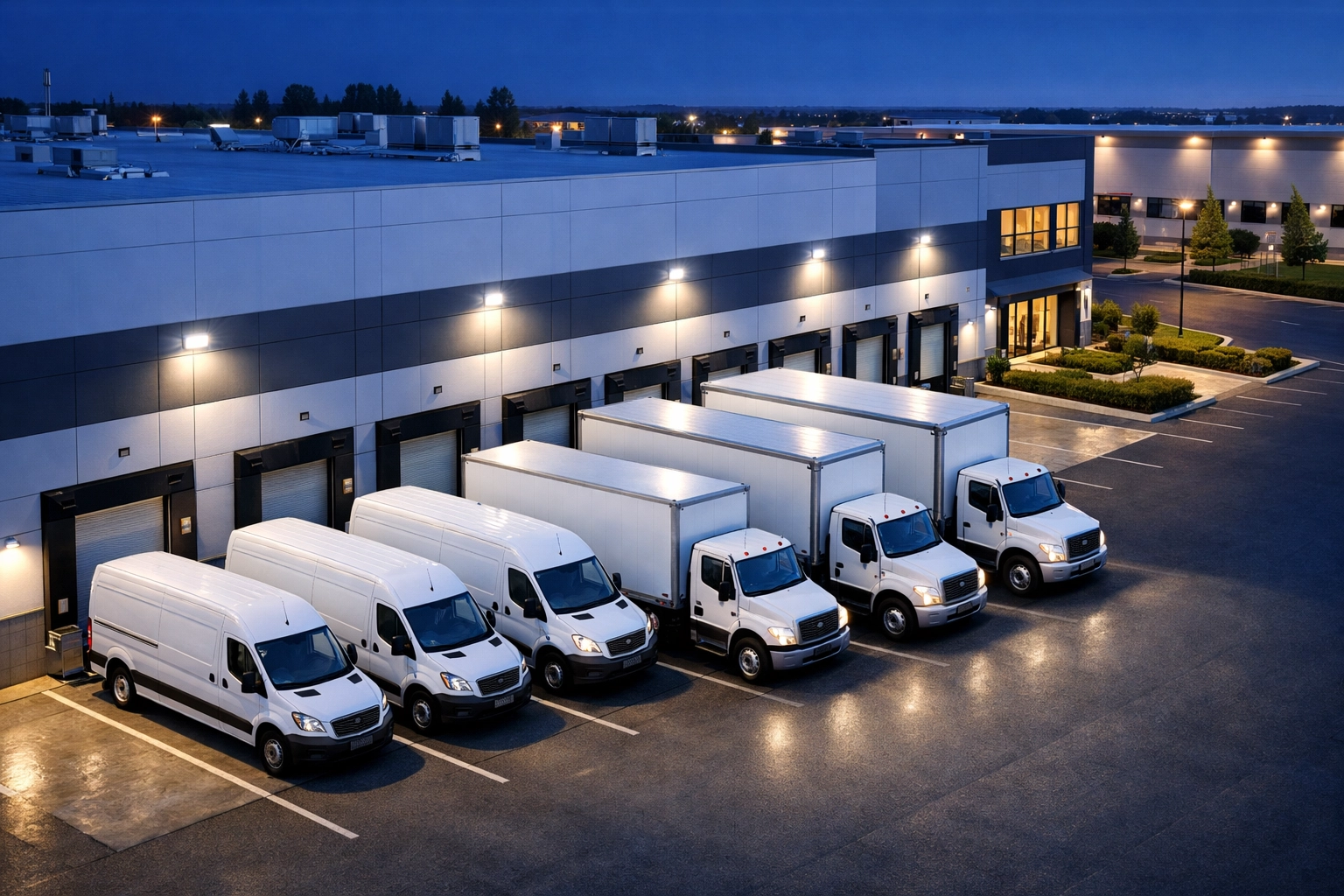
2PL: Moving Goods via External Assets
Second-Party Logistics (2PL) introduces the carrier. In this model, the company retains control over the warehouse but hires a transport specialist to move the freight.
Why Enterprises Use 2PL:
Specialized Transport: Access to specialized ships, planes, or rail.
Reduced Asset Risk: No need to maintain a massive fleet of vehicles.
Geographic Reach: Carriers provide lanes that an internal 1PL team cannot cover.
For supply chain management companies, 2PL is a tactical choice. It solves the problem of "how do we get it there?" but ignores the complexity of "where do we store it?"
3PL: The Engine of Scalability
Third-Party Logistics (3PL) is where most growth-focused enterprises operate. By partnering with third party logistics providers, companies outsource the heavy lifting of fulfillment, storage, and distribution.
Advanced Warehouse Management Services
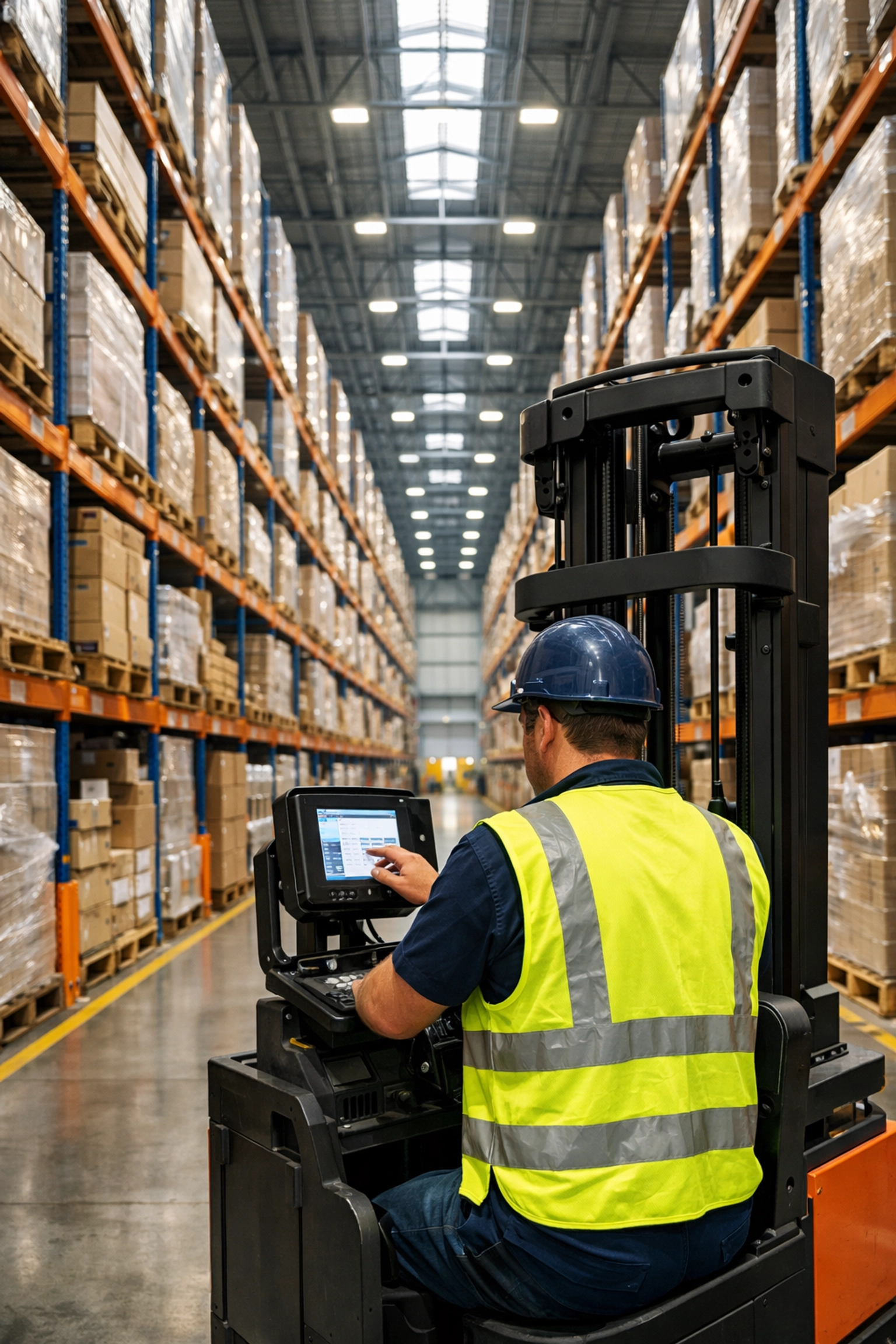
A professional 3PL provides more than just space. They provide execution-focused technology.
Inventory Accuracy: Real-time visibility into stock levels.
Cross-Functional Visibility: Integration between sales channels and the warehouse floor.
Labor Efficiency: Professional teams trained in high-volume picking and packing.
Benefits of the 3PL Model:
Lower Capital Expenditure: No need to buy land or build warehouses.
Agility: Scale up for peak seasons and scale down during troughs.
Performance-Driven Metrics: Service Level Agreements (SLAs) ensure that the provider meets strict standards.
4PL: The Strategic Orchestrator
Fourth-Party Logistics (4PL) represents the highest level of supply chain coordination. A 4PL provider does not necessarily own the trucks or the warehouses. Instead, they act as the "single point of contact" that manages all 3PLs, 2PLs, and tech stacks.
The 4PL Value Proposition:
End-to-End Oversight: They see the entire network, from raw material procurement to final delivery.
Data-Backed Decision Making: 4PLs use advanced analytics to identify friction in the supply chain.
Provider Management: They vet and manage multiple third party logistics providers to ensure the lowest cost and highest reliability.
For an enterprise, a 4PL is a strategic partner focused on optimization rather than just moving boxes.
Comparing the Tiers: A Performance-Driven Breakdown
Feature | 1PL | 2PL | 3PL | 4PL |
Control | Absolute | High | Moderate | Strategic |
Asset Risk | High | Low | None | None |
Tech Integration | Basic | Tactical | Operational | Comprehensive |
Primary Goal | Self-Sufficiency | Transport | Operational Speed | Network Optimization |
Cost Structure | Fixed | Variable | Variable | Management Fee |
Strategic Integration: Why 1PL–4PL Synergy Matters
Enterprises rarely stick to just one tier. A robust strategy often involves logistics integration. You might use a 1PL model for local deliveries where you want absolute control over the brand experience, while employing a 4PL to manage your international warehouse management services.

Solving Operational Pain Points
Risk Mitigation: By spreading logistics across multiple providers, you avoid a single point of failure.
Standardization: Establishing unified standards across 3PL partners ensures a consistent customer experience.
Transparency: Integration allows for end-to-end tracking, reducing the "black hole" effect in transit.
Enhancing Performance with Warehouse Management Services
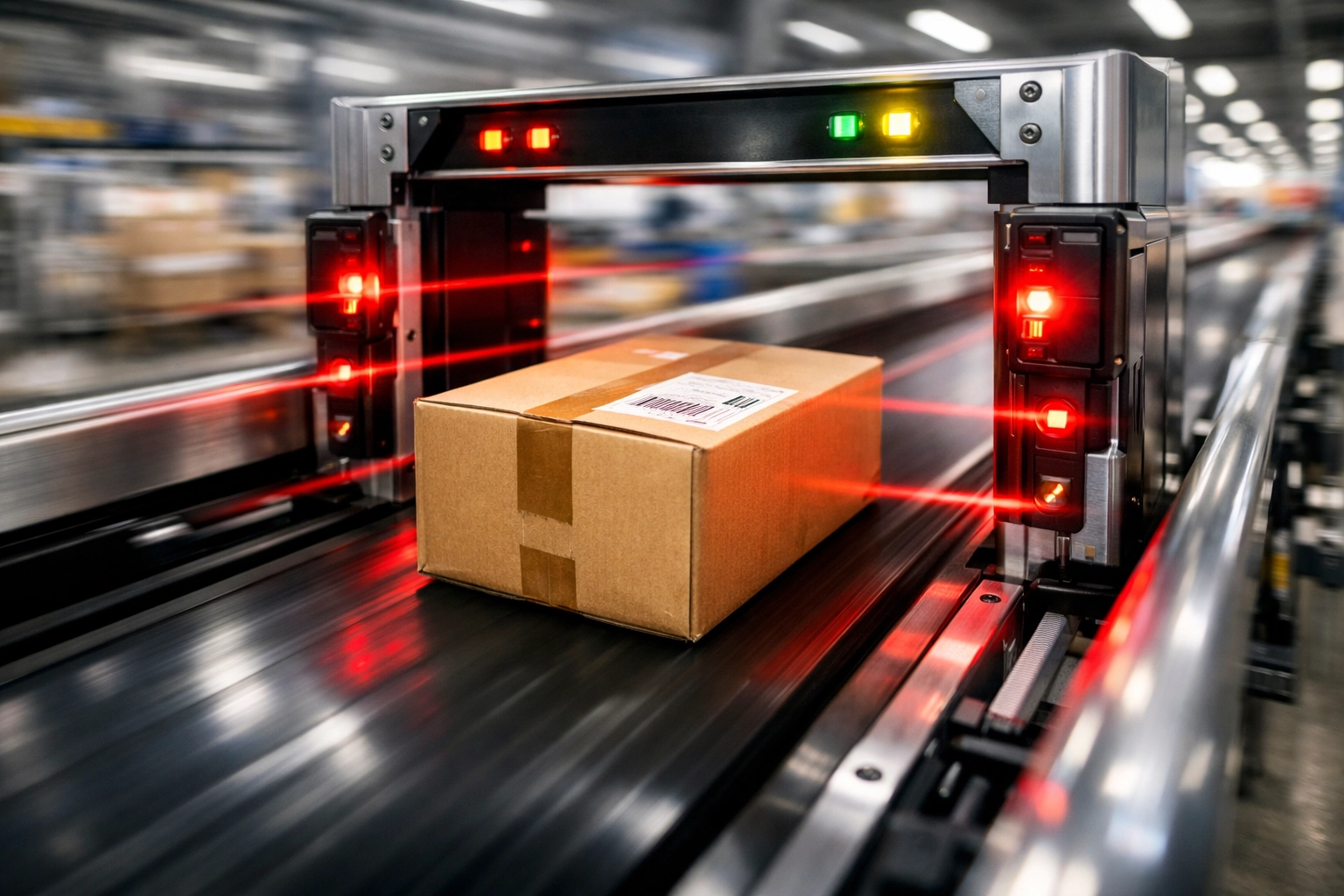
Regardless of the model, the warehouse is the heart of the operation. Modern warehouse management services utilize high-level automation and SKU management to eliminate human error.
At Lanta LLC, we understand that a warehouse is not just a building: it is a node of high-speed execution. Effective management requires:
Data-Backed Layouts: Positioning high-velocity items for faster picking.
Seamless Tech Stacks: Connecting WMS (Warehouse Management Systems) to your existing ERP.
Rigorous Auditing: Constant cycle counts to maintain 99.9% inventory accuracy.
The Role of Supply Chain Management Companies
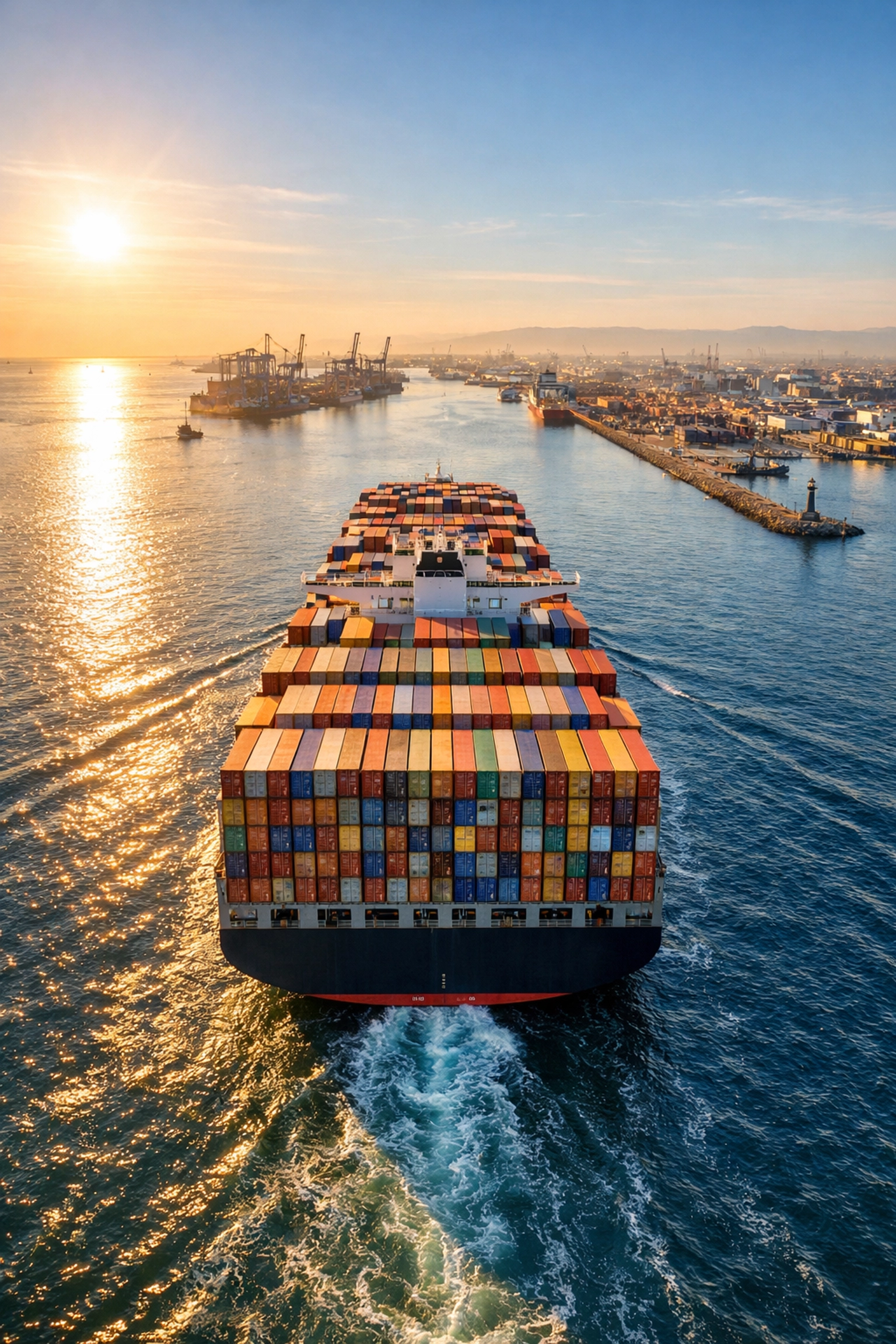
Navigating the complexities of third party logistics providers requires expertise. Professional supply chain management companies act as the bridge between your product and your customer.
By leveraging infrastructure and performance-driven strategies, these companies allow you to focus on your core business: product development and sales: while they handle the execution of the physical movement.
Key Factors in Selecting a Partner:
Reliability: A track record of meeting strict delivery windows.
Scalability: The ability to handle a 10x increase in volume without breaking.
Technological Sophistication: Do they offer real-time APIs and reporting?
Global Reach: Can they manage cross-border complexities?
Final Execution: Moving Toward a Seamless Network
The transition from 1PL to 4PL is not just about outsourcing; it is about evolution. As your enterprise grows, the complexity of your requirements will outpace internal capabilities.
Strategic logistics integration is the mechanism that allows for sustainable growth. It removes the burden of asset management and replaces it with the power of data and specialized expertise.
For more information on how to optimize your operations, visit our services or about us to see how Lanta LLC sets the industry standard.
Optimize Your Supply Chain Today
Efficiency is not an accident; it is the result of structured standards and disciplined execution. Whether you are looking for warehouse management services or a comprehensive partner among supply chain management companies, the time to integrate is now.
Follow Lanta LLC on LinkedIn for more industry insights: https://www.linkedin.com/company/lanta-llc/
Comments