Freight Pulse & Law: Jones Act Waiver Tightens, FMC Flexes, and Trucking Rates Keep Climbing

Freight markets are tightening while regulators raise the documentation standard. Starting August 17, shippers moving covered commodities coastwise will face a narrower Jones Act waiver, voyage-by-voyage vessel checks, and more tax scrutiny. At the same time, the Federal Maritime Commission (FMC) is demanding evidence behind emergency surcharges, while trucking rates rise despite softer freight volumes.
For shippers, the message is direct: classify cargo correctly, document every exception, and build transportation plans that can absorb higher costs.
What changes under the Jones Act waiver on August 17?
The Department of Homeland Security’s second 90-day Jones Act waiver extension runs from August 17 through November 15, 2026. It permits qualifying foreign-flag vessels to move select commodities between U.S. ports when statutory conditions are met.
The extension is narrower and more operationally demanding than the previous waiver. The eligible commodity list drops from more than 600 HTS codes to 237, with the remaining coverage focused primarily on energy and fertilizer-related products.
Key changes include:
The waiver period begins at 12:00 a.m. ET on August 17.
Covered cargo must be loaded before the waiver expires on November 15.
Eligible products are concentrated around petroleum products, LNG, LPG, fertilizers, and related energy commodities.
Many chemicals, coal products, solvents, and other industrial materials are no longer covered.
Shippers must submit a mandatory “Vessel Availability Request” before relying on foreign tonnage.
The new process requires coordination with the Department of War, the U.S. Maritime Administration (MARAD), and U.S. Customs and Border Protection. MARAD will conduct a market survey of coastwise-qualified vessels. Those vessels may have approximately 24 hours to respond with availability. The Department of War then determines whether the waiver applies to the proposed voyage.
Review the MARAD domestic shipping resources and the latest Jones Act extension reporting before scheduling a movement.

Is the Jones Act waiver a tax exemption?
No. The waiver addresses vessel eligibility; it does not create a blanket tax exemption.
Income earned from qualifying voyages remains subject to applicable U.S. tax rules. Foreign corporations involved in these movements should review whether they have Form 1120-F filing or reporting obligations. Treat treaty protections, effectively connected income, withholding, and U.S. trade-or-business questions as separate workstreams from the maritime waiver.
Do not treat waiver approval as the end of compliance. Build a file containing:
HTS classification and commodity description.
Vessel flag, ownership, and coastwise status.
Vessel Availability Request correspondence.
MARAD market-survey results.
Department of War determination.
CBP documentation.
Post-voyage reporting records.
Tax counsel’s Form 1120-F analysis.
That discipline matters especially for a Hazmat certified 3PL, chemical exporter, fertilizer distributor, or energy company managing multiple ports and modes. A missed code or incomplete approval package can force a last-minute vessel change, delay loading, or trigger avoidable costs.
How is the FMC tightening ocean rate increases?
The FMC is pushing carriers to prove “good cause” before shortening the standard 30-day notice period for rate increases. That issue has become especially important as carriers impose Mideast conflict and Strait of Hormuz surcharges.
A carrier cannot simply cite war risk, fuel volatility, rerouting, or insurance increases and expect immediate approval. The FMC expects cost data showing that the surcharge amount and duration are reasonably connected to the carrier’s actual exposure.
The Commission’s Strait of Hormuz surcharge statement reinforces several requirements:
Rate increases generally require 30 days’ notice.
Requests to shorten that window must demonstrate good cause.
Carriers should show the cost impact, expected duration, and mitigation efforts.
A surcharge cannot be applied before its lawful effective date.
The burden rests with the carrier, not the shipper, to support expedited treatment.
The FMC has also canceled portions of trade association carrier coordination agreements, signaling closer scrutiny of arrangements that could reduce competition or disadvantage shippers. Its enforcement posture includes a $1.9 million civil penalty collected from a shipping line and an investigation into potential discrimination against hazmat exporters.
For shippers, ask for the tariff basis, effective date, cost rationale, and service conditions behind every new fee. Preserve the correspondence.
What do detention and demurrage rulings mean for freight fluidity?
Detention and demurrage charges remain a compliance priority because poorly documented fees can obstruct cargo flow instead of encouraging timely container movement.
The FMC’s detention and demurrage billing rule limits who may be billed, requires timely invoices, and gives billed parties at least 30 calendar days to request mitigation, refunds, or waivers. Invoices must contain sufficient identifying information. Missing required information can eliminate the payment obligation.
Recent court rulings have also upheld the FMC’s authority in this area, strengthening the Commission’s ability to regulate billing practices and promote supply chain fluidity.
Use a simple audit process:
Match the invoice to the container, terminal, free-time period, and party with control over the movement.
Verify whether a terminal closure, appointment shortage, customs hold, or carrier error caused the delay.
File disputes within the applicable window.
Track recurring charges by port, carrier, customer, and root cause.
Escalate patterns that appear unreasonable, inconsistent, or discriminatory.
The FMC publishes carrier detention and demurrage data on its dedicated tracking page. Review it alongside your own freight records.

Why are trucking rates rising while freight volumes soften?
Truckload markets are showing a difficult combination: softer volumes but tighter usable capacity. Contract rates posted record June-to-July gains, while tender rejections settled near 13.5% after reaching materially higher levels earlier in the summer.
Current pressure points include:
Dry van contract linehaul rates rising to approximately $2.39 per mile in July, excluding fuel.
Reefer contract linehaul rates reaching approximately $2.62 per mile.
All-in contract rates moving above $3 per mile for van and reefer freight.
Tender rejections remaining in the low-to-mid teens.
Diesel exposure above $5 per gallon in affected markets.
More shippers shifting long-haul freight to intermodal rail.
Review DAT’s current rate data, but do not rely on averages alone. Regional capacity, equipment type, appointment requirements, hazmat restrictions, and fuel programs can move the actual cost significantly.
The Department of Transportation’s brake check inspections and safety blitzes add another operational variable. Carriers must maintain equipment, driver qualification, hours-of-service, and inspection readiness. Shippers should confirm that transportation partners can meet safety requirements without creating missed pickups or service gaps.
What should shippers do now?
Treat the next 90 days as a planning and documentation test.
First, map every coastwise commodity to the 237 HTS codes. Separate eligible energy and fertilizer freight from excluded chemicals and hazmat products. Then prepare a repeatable Vessel Availability Request package rather than handling each voyage through ad hoc emails.
Second, audit ocean invoices and surcharge notices. Demand cost support when carriers seek expedited rate increases, and challenge detention or demurrage fees that lack documentation or were billed to parties without control.
Third, rebalance transportation. Secure core truckload capacity, model intermodal options for flexible long-haul freight, and make fuel-surcharge terms explicit. Keep contingency carriers available for lanes with tender rejections above your service threshold.
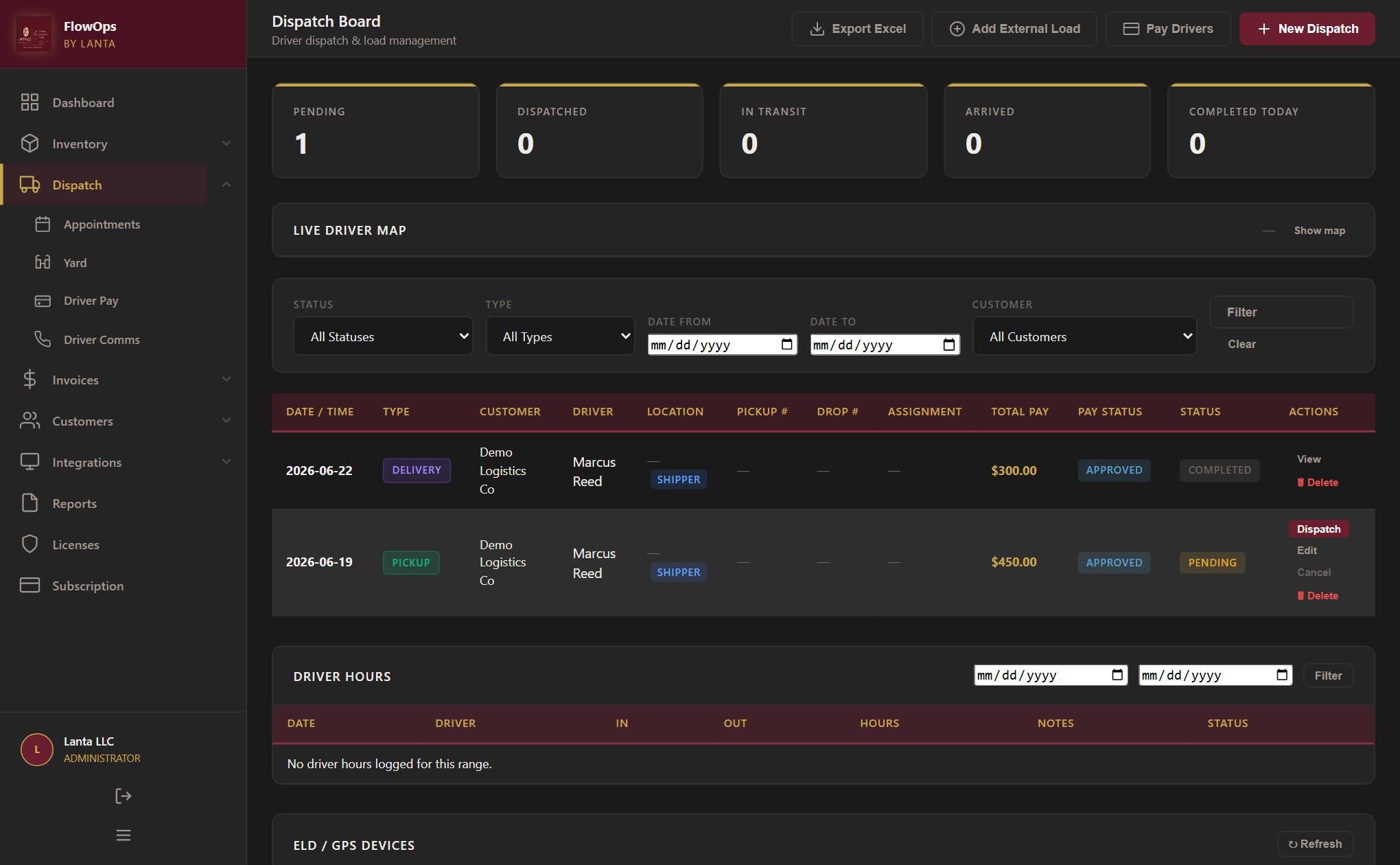
Finally, connect execution data across inventory, fulfillment, warehousing, and transportation. FlowOps by Lanta combines logistics software, warehouse management system functions, dispatch, routing, billing, and customer visibility in one platform. That gives third party logistics providers and supply chain management companies a clearer operating record when rates, exceptions, and compliance obligations change.
Lanta Logistics supports growing brands and enterprise operations through 3PL fulfillment services, inventory management for ecommerce, and coordinated transportation from a food-grade warehouse in Glen Burnie. Explore Lanta’s services, see FlowOps in action, or request a logistics consultation for Mid-Atlantic fulfillment and nationwide supply chain execution.
This article is for general information and does not constitute legal, tax, or regulatory advice.
Comments