Freight Pulse & Law Update - 18:00

August 25, 2026: Panama Canal capacity is tightening, port congestion is locking up 4.3 million TEU, and maritime compliance deadlines are reshaping freight planning. Here is what changed since earlier August 25 updates.
What changed at the Panama Canal?
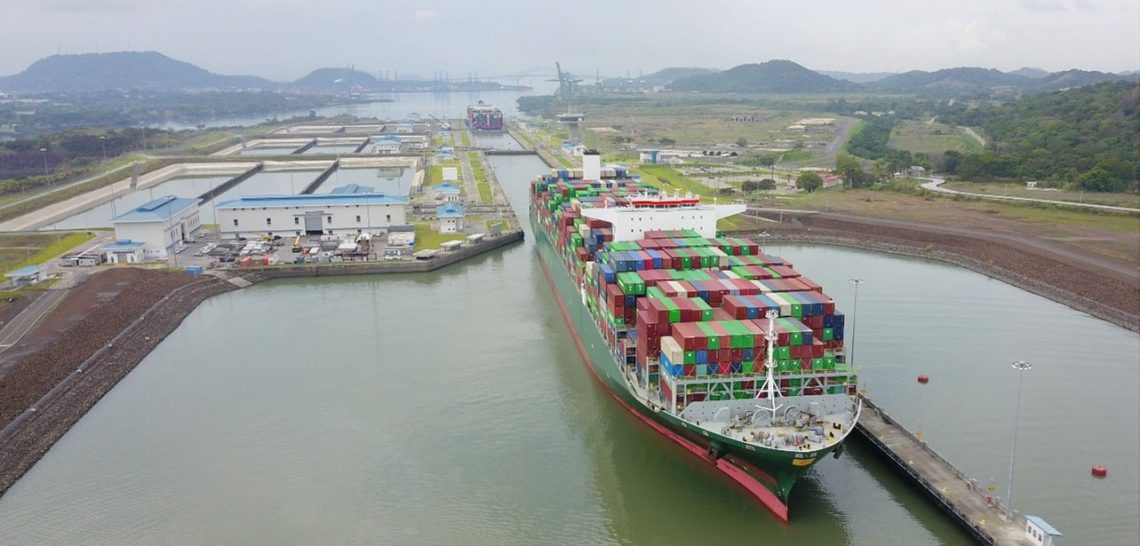
The Panama Canal Authority will limit daily transits to 34 vessels beginning September 4, then 32 vessels beginning September 15, citing reduced precipitation and El Niño-related water pressure. The authority’s separate draft limits will also reduce Neopanamax drafts to 48 feet on August 26 and 47.5 feet on September 3.
Expect tighter booking windows and possible surcharges.
Recheck Asia–U.S. East Coast and Gulf Coast routings.
Confirm vessel loading assumptions before finalizing delivery dates.
Why are ocean rates and congestion rising?
Global port congestion has reached approximately 4.3 million TEU, while Asia–U.S. East Coast rates are being reported around $8,000–$10,500 per FEU. Separately, Reuters and other maritime reports say Iran has blacklisted vessels connected to Strait of Hormuz transit violations. The developing report has increased war-risk insurance, screening, delay, and rerouting costs; the full operational impact remains uncertain.
What maritime laws and safety rules matter now?
The Jones Act waiver now runs through November 15, 2026, but eligibility is narrower. Only specified cargo codes qualify, and shippers must submit a voyage-specific Vessel Availability Request before using foreign-flag capacity.
IMO 2026 changes include:
Mandatory container-loss reporting.
PFOS restrictions for firefighting media.
Updated fire-detection requirements.
Anti-harassment training expectations, subject to applicable flag-state and company rules.
Canadian Arctic and Norwegian Sea ECAs effective March 1, 2026.
DOT-related enforcement also remains active: CVSA Brake Safety Week runs August 23–29, with inspections focused on brake drums and rotors.

What should logistics teams do next?
Recalculate landed costs, validate cargo and vessel eligibility, and maintain alternate routings. Use a warehouse management system, logistics software, and inventory management for ecommerce to connect exceptions with action.
Lanta Logistics provides 3PL fulfillment services from its Glen Burnie warehouse, supporting 3PL Maryland, Mid-Atlantic fulfillment, food-grade warehouse, and Hazmat certified 3PL requirements. Pair physical execution with FlowOps by Lanta for real-time visibility.
This article provides general information, not legal or regulatory advice.
Sources
Comments