Freight Pulse & Law Update: Suez Resumptions, Hormuz Escalation & the Rules Reshaping Shipping

Tuesday, September 1, 2026 : 13:00 ET
Shipping’s route map is moving again: but not back to normal. Carriers are cautiously restoring Suez services while Hormuz security risks, Asian port congestion, and new maritime rules continue to pressure cost, capacity, and compliance.
What is changing in global freight?
Maersk, Hapag-Lloyd, CMA CGM, and MSC are resuming selected Suez and Red Sea transits. The return remains partial, with Cape of Good Hope routings still protecting much of Asia–Europe capacity. Analysts warn that a complete return could shorten transit distances enough to reverse head-haul demand growth, including a possible 8.7% contraction by early 2027.

At the other chokepoint, military hostilities around the Strait of Hormuz have intensified. Two Saudi crude tankers were reportedly struck near Oman. U.S. naval enforcement has also sharply constrained Iranian crude movements toward China. Treat insurance, routing, and fuel assumptions as live variables: not fixed planning inputs.
Shanghai and Ningbo are reporting severe berthing and vessel delays, while a labor dispute at India’s Mundra Port has disrupted empty-container handling and landside movements. The latest Logistics Managers’ Index still shows contracting transportation capacity and surging costs.
Which shipping laws matter now?
Track these changes:
Jones Act: DHS extended the waiver through November 15, 2026, narrowed eligible products, and added a pre-voyage Vessel Availability Request process. See Holland & Knight’s analysis.
China: The revised Maritime Code, effective May 1, applies mandatory carriage rules to shipments involving Chinese ports and expands carrier responsibility from receipt through delivery.
United Kingdom: The 2026 Port State Control Regulations were made June 23 and took effect 21 days later, strengthening inspection, detention, and refusal-of-access procedures. Review the official regulations.
IMO: Lost-container reporting, PFOS foam restrictions, vehicle-space fire protections, anti-harassment training, and electronic inclinometers are now operational priorities.
Emissions: Canadian Arctic and Norwegian Sea ECAs began enforcing applicable NOx Tier III requirements March 1.
What should shippers do next?
Require documented contingencies from third party logistics providers, review contracts, and model longer dwell times. A capable 3PL should connect transportation, fulfillment, inventory management for ecommerce, and compliance: not manage each in a separate spreadsheet.
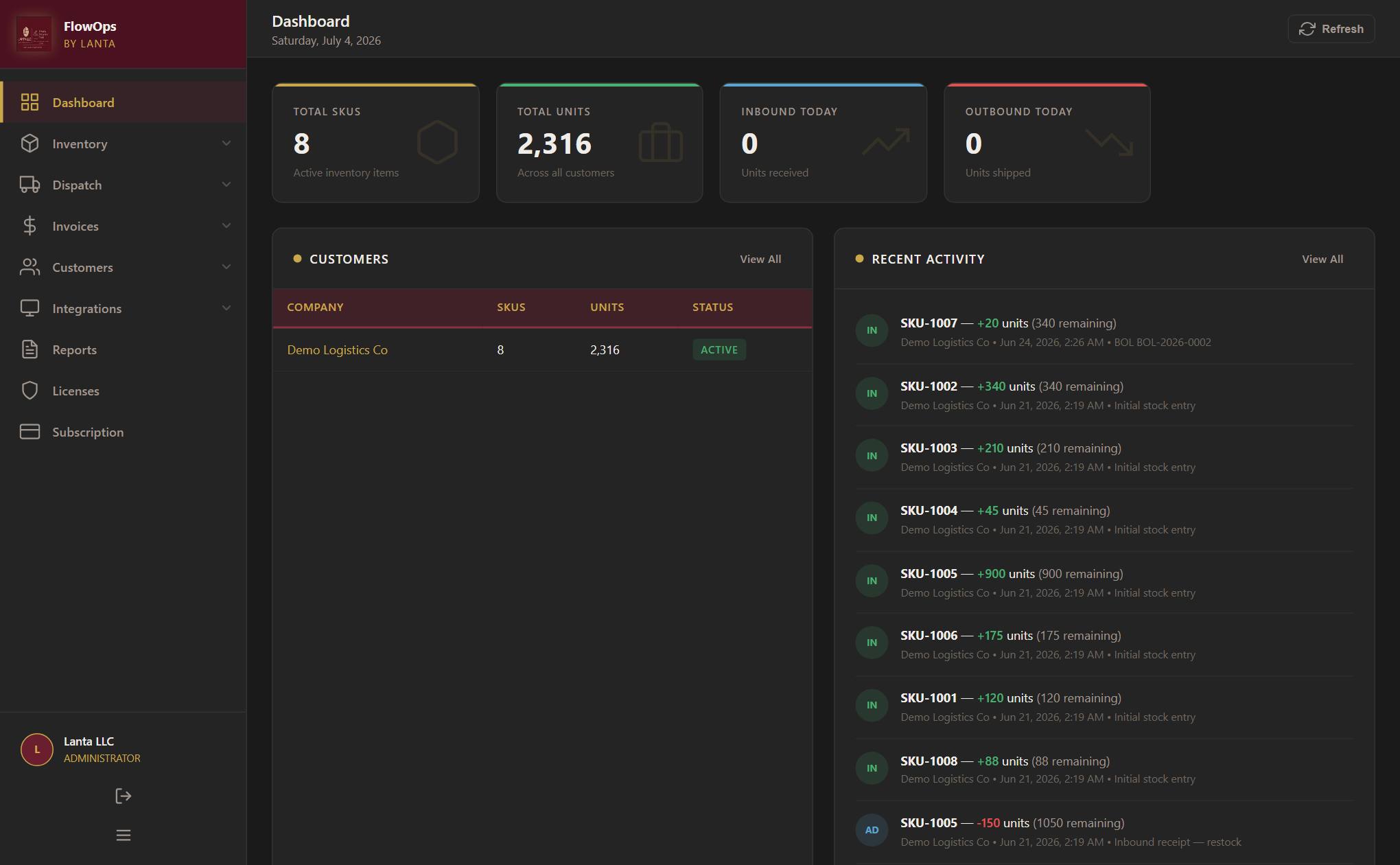
Lanta Logistics supports 3PL fulfillment services, Mid-Atlantic fulfillment, a food-grade warehouse, and Hazmat certified 3PL operations from its Glen Burnie warehouse. Pair execution with FlowOps logistics software and a warehouse management system for real-time supply chain visibility.

Bottom line: Let Lanta Logistics and FlowOps turn shifting routes, new rules, and tighter capacity into a controlled operating plan.
Comments