
The $10,000 Morning: How Logistics Friction Silently Erodes Your Bottom Line
- Lanta LLC
- Mar 23
- 4 min read

At 8:00 AM, the facility gates open. By 10:00 AM, a single documentation error has stalled a container at the port. By 11:30 AM, three trucks are idling at the dock because of a cross-docking bottleneck. By noon, a high-priority SKU has been miscounted, triggering an emergency expedited shipment that costs four times the standard rate.
This is the "$10,000 Morning." It is not a catastrophic disaster; it is a series of minor operational frictions that, when compounded, silently erode your profit margins.
For growing brands and established enterprises, logistics friction is the primary barrier to scalability. While many organizations focus on "low-cost" shipping rates, the true cost of logistics is found in the execution. In an era of high inflation and compressed margins, precision is no longer a luxury: it is a requirement for survival.
The Anatomy of Logistics Friction
Logistics friction refers to any inefficiency that slows the movement of goods or information within the supply chain. In a vacuum, a five-minute delay seems negligible. However, in a high-performance warehouse environment, these delays cascade.
Manual processes remain the leading cause of friction. When gate-in processes rely on manual entry, trucks often sit for four to five hours. This latency doesn't just frustrate drivers; it creates a backlog that disrupts labor scheduling and staging for the entire shift.
The Hidden Costs of Poor Execution:
Labor Latency: Staff waiting for delayed shipments or correcting picking errors.
Inventory Inaccuracy: Discrepancies between the Warehouse Management System (WMS) and physical stock, leading to backorders.
Carrier Fines: Demurrage and detention fees resulting from slow turnaround times.
Expedited Freight: The "emergency tax" paid to rectify preventable planning failures.
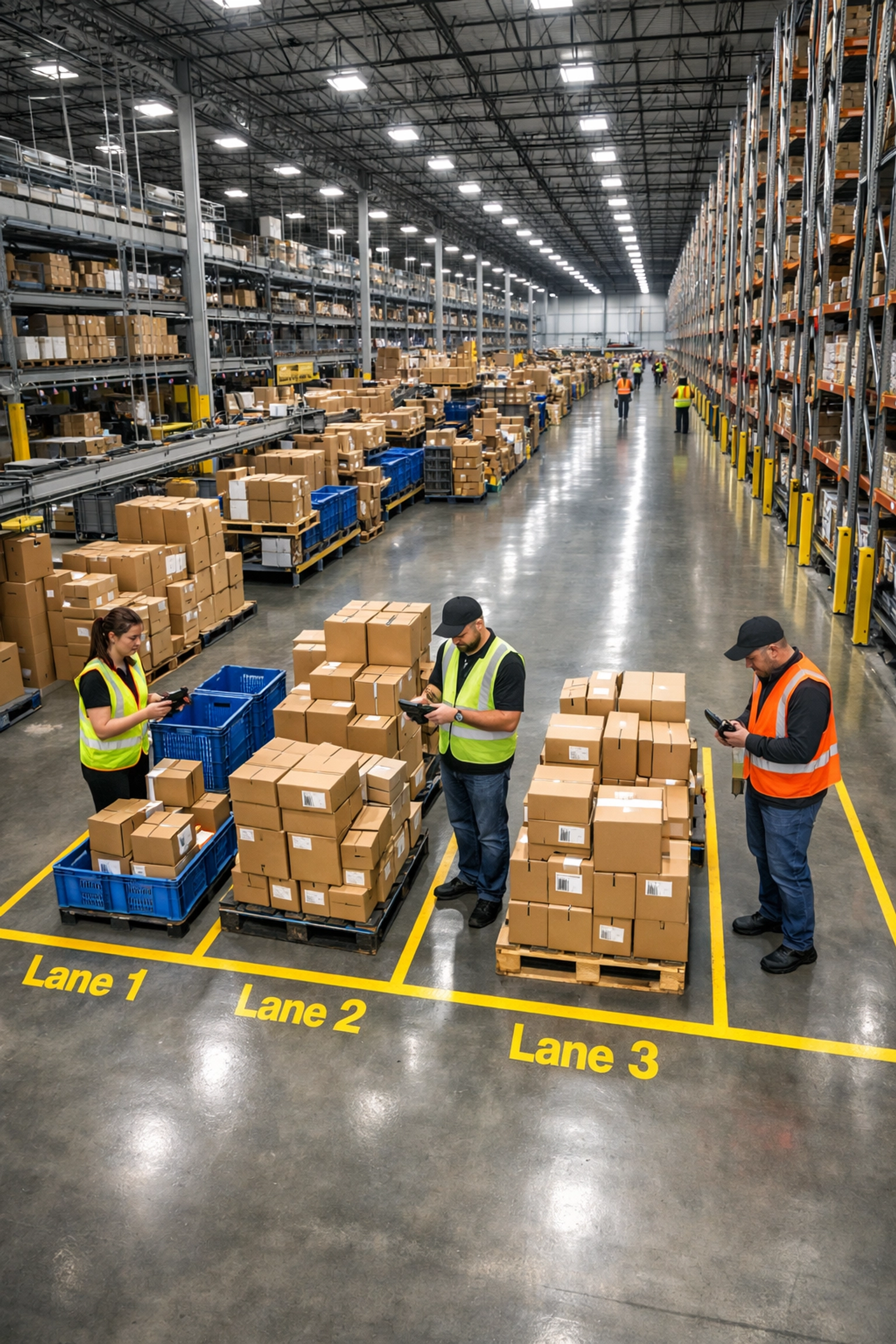
Visual: A high-precision, automated warehouse floor showing streamlined staging and optimized labor movement.
The Fallacy of "Cheap" Logistics
In a procurement-driven environment, the temptation is to select the lowest bidder for 3PL services. However, "cheap" logistics is often the most expensive line item on a balance sheet. Low-cost providers frequently lack the robust infrastructure and data-backed execution standards required to handle complex supply chains.
When a provider cuts costs, they often reduce investment in cross-functional visibility and SKU management. This leads to a reactive operational model. In a reactive model, you are constantly solving yesterday's problems at today's expense.
Effective logistics solutions prioritize "total cost of ownership" over "per-pallet cost." By investing in structured execution and performance-driven standards, brands can eliminate the "friction tax" that eats away at their bottom line.
Protecting Margins Through 4PL Integration
As supply chains grow in complexity, the traditional 1PL to 3PL model often fails to provide the necessary oversight. This is where 4PL integration becomes a strategic asset.
A 4PL (Fourth-Party Logistics) provider acts as an integrator that assembles the resources, capabilities, and technology of its own organization and other providers to design, build, and run comprehensive supply chain solutions.
Why Integration Matters:
End-to-End Visibility: Moving from "black box" logistics to real-time data flow. Knowing where every SKU is at any given moment eliminates the need for "safety stock" that ties up capital.
Structured Execution: Establishing rigorous SOPs (Standard Operating Procedures) that ensure consistency regardless of volume fluctuations.
Inflation Defense: Structured supply chain execution mitigates the impact of rising fuel and labor costs by optimizing routes and maximizing warehouse density.

Visual: A sophisticated logistics control tower display showing real-time global shipment tracking and performance metrics.
The Data-Backed Reality: $1.6 Trillion in Missed Growth
Research indicates that supply disruptions and logistics friction have cost companies worldwide upwards of $1.6 trillion in missed growth opportunities. This isn't just lost revenue; it’s lost market share. When a customer receives a late or incorrect shipment, the Lifetime Value (LTV) of that customer plummets.
In the enterprise sector, supply chain execution is synonymous with brand reputation. A single point of friction in the last-mile delivery can undo months of marketing effort.
Warehouse Management: The Front Line of Profitability
The warehouse is the heart of the supply chain, and it is where friction is most visible. High-performance warehouse management requires a move away from paper-based documentation and toward automated, data-driven environments.
Key areas for optimization include:
Staging Efficiency: Reducing the "travel time" within the warehouse to increase picks per hour.
Cross-Docking Precision: Moving goods from inbound to outbound with minimal dwell time.
Proactive Inventory Management: Using predictive analytics to anticipate demand shifts and adjust labor accordingly.
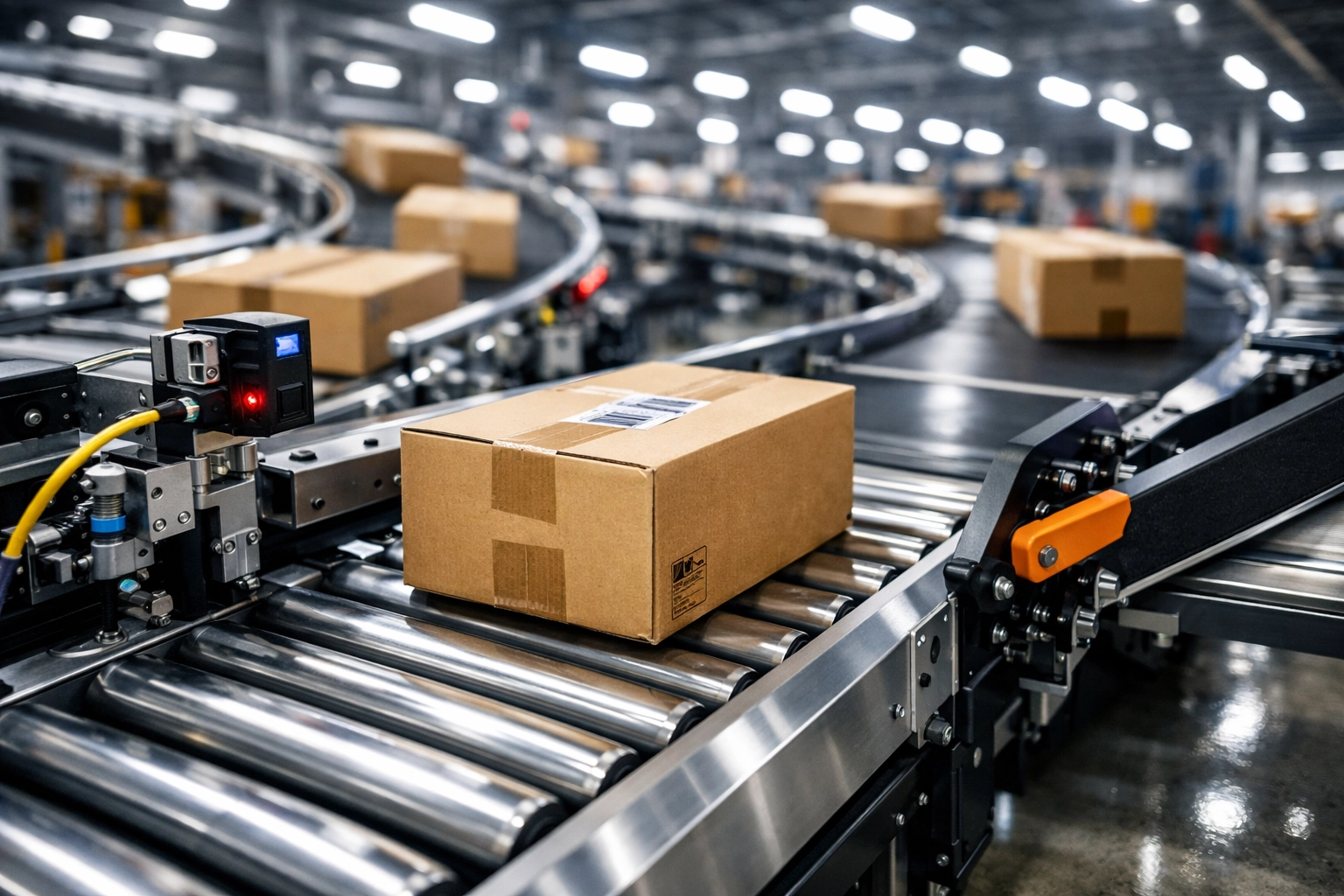
Visual: A close-up of a high-speed sorting system in a clean, professional distribution center.
Strategic Scalability and Precision
For a business to scale, its logistics infrastructure must be elastic. It must be able to handle a 300% surge in volume without a 300% increase in errors. This level of scalability is only possible through precision-engineered workflows.
At Lanta LLC, we view logistics not as a commodity, but as a performance-driven discipline. Whether it is 4PL integration or specialized warehouse management, the goal remains the same: the total elimination of friction.
By shifting the focus from "moving boxes" to "managing execution," companies can transform their supply chain from a cost center into a competitive advantage. The $10,000 morning is avoidable. It requires a commitment to standards, a reliance on data, and a partner who understands that in logistics, every second has a price tag.

Visual: An executive-level boardroom view overlooking a bustling, organized logistics hub, symbolizing strategic oversight.
Conclusion: Stop the Silent Erosion
Logistics friction is a silent killer of profitability. It doesn't show up as a single line item; it is buried in labor hours, freight premiums, and lost customers. To protect your margins in an increasingly volatile market, you must demand more from your supply chain.
Stop settling for "good enough" logistics. Demand execution-focused solutions that provide the stability and precision your brand deserves.
Join the Conversation
What’s more expensive: A 1% error rate or the investment in a 100% accurate system?
Drop a #Team1Percent or #TeamZeroError in the comments below! Let’s settle the debate.
Stay connected with Lanta LLC for more industry insights: Follow us on LinkedIn
Comments