
The Ultimate Guide to 1PL–4PL Strategy: Everything You Need to Scale Enterprise Operations
- Lanta LLC
- 5 days ago
- 4 min read

TL;DR: Scaling enterprise operations requires a strategic shift from simple asset ownership to complex supply chain orchestration. Understanding the nuances between 1PL, 2PL, 3PL, and 4PL models is the difference between operational friction and seamless growth. This guide breaks down how to leverage third party logistics providers and warehouse management services to achieve total supply chain dominance.
The Architecture of Modern Logistics
In the enterprise landscape, logistics is no longer a back-office function. It is a competitive weapon. As global markets fluctuate and consumer demands intensify, the ability to move goods with precision and predictability determines market share.
The primary challenge for growing brands is "logistics friction": the silent erosion of margins caused by fragmented systems and inefficient coordination. To eliminate this, leadership must choose the right logistics model. Whether you are managing internal assets or partnering with elite supply chain management companies, the strategy must be performance-driven and data-backed.
1PL: The In-House Foundation
First-Party Logistics (1PL) represents the most direct form of supply chain management. In this model, your enterprise owns the assets: the warehouses, the fleet, and the personnel.
Execution: Your team handles every touchpoint.
Infrastructure: Requires massive capital expenditure (CAPEX) for real estate and vehicles.
Performance: Offers absolute control over brand standards and handling.
The Risk: 1PL is often the root of "The $10,000 Morning." When internal friction occurs: equipment failure, staffing shortages, or manual errors: there is no external buffer. For enterprises looking to scale, relying solely on 1PL creates a rigid ceiling.
2PL: The Carrier Layer
Second-Party Logistics (2PL) introduces the first layer of outsourcing. Here, you hire specialized carriers to handle transportation for specific lanes.
Asset-Focused: You are renting space on a truck, ship, or plane.
Narrow Scope: The 2PL is responsible only for the transit, not the inventory management or the final delivery strategy.
Scalability: High for transportation, but low for overall operational integration.
3PL: The Engine of Growth
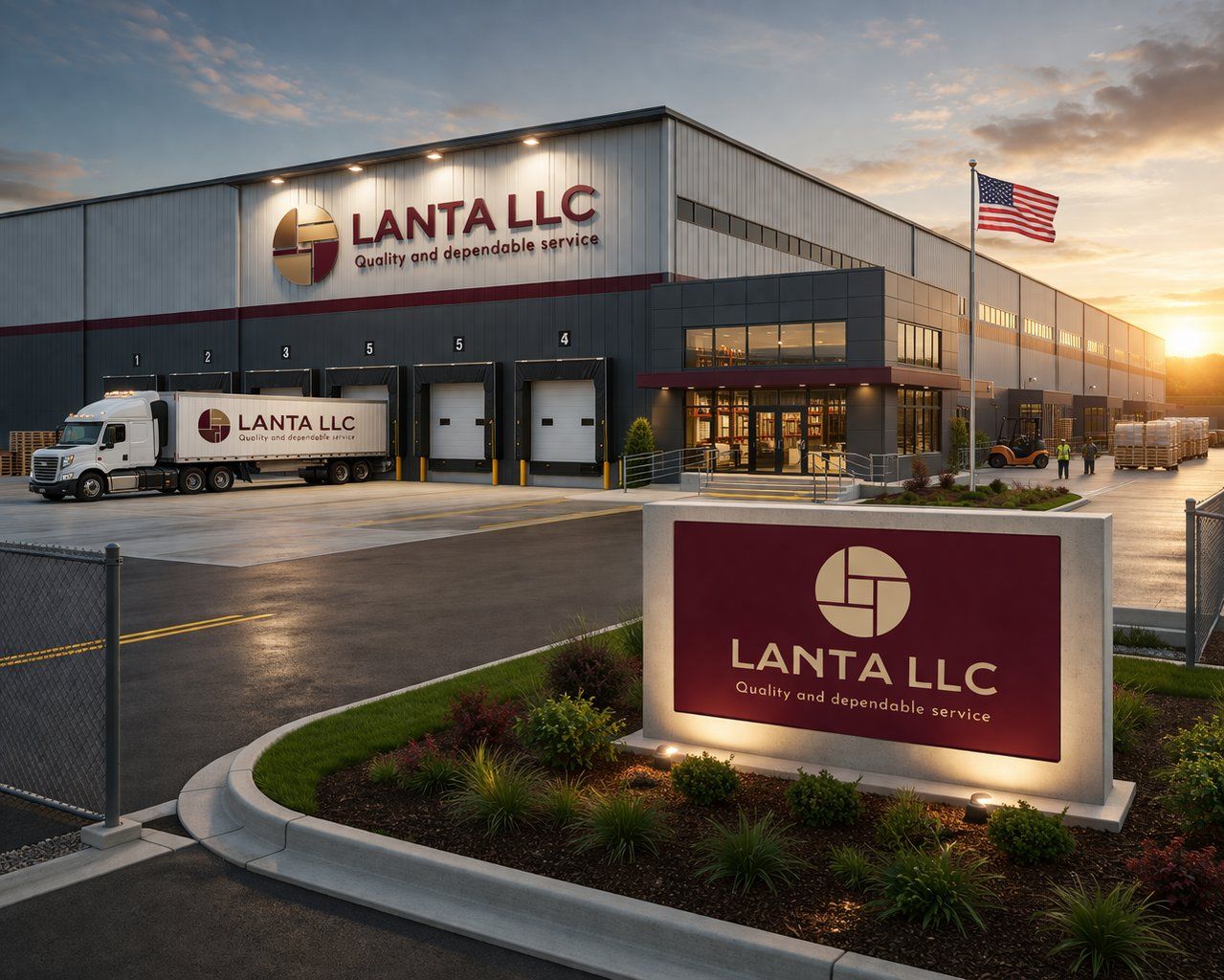
For most scaling enterprises, third party logistics providers (3PLs) are the backbone of the operation. A 3PL doesn't just move goods; they provide the warehouse management services and fulfillment expertise required to handle high-volume SKU management.
Integrated Services: Includes receiving, storage, picking, packing, and shipping.
Variable Cost Model: Transforms fixed warehouse costs into variable expenses that scale with your volume.
Strategic Advantage: Allows brands to utilize established distribution networks, such as the Mid-Atlantic relief valve, to bypass regional gridlock.
Working with elite 3PLs ensures that morning sprints are executed with military precision, preventing the backlog that kills ecommerce growth.
4PL: The Strategic Orchestrator
The Fourth-Party Logistics (4PL) model is the pinnacle of supply chain coordination. A 4PL acts as a single point of contact that manages multiple 3PLs, carriers, and vendors on your behalf.
Non-Asset Based: The 4PL focuses on supply chain management strategy rather than owning trucks.
End-to-End Visibility: They provide the "control tower" view of the entire operation.
Value Proposition: They optimize the entire ecosystem for cost, speed, and resilience.
Enterprises utilize 4PLs to implement a proven integration framework, ensuring that every node in the supply chain adheres to the same high-performance standards.
1PL vs. 4PL: Which Model Fits Your Scale?
Choosing between these models isn't about finding the "best" one; it’s about finding the right fit for your current operational maturity.
Feature | 1PL (In-House) | 3PL (Partner) | 4PL (Orchestrator) |
Control | Absolute | Shared | Strategic |
CAPEX | High | Low | Minimum |
Scalability | Rigid | Elastic | Infinite |
Focus | Daily Tasks | Operational Excellence | Strategic Growth |
Tech Stack | Proprietary | Vendor-provided | Cross-platform |
The Power of Integrated Warehouse Management Services
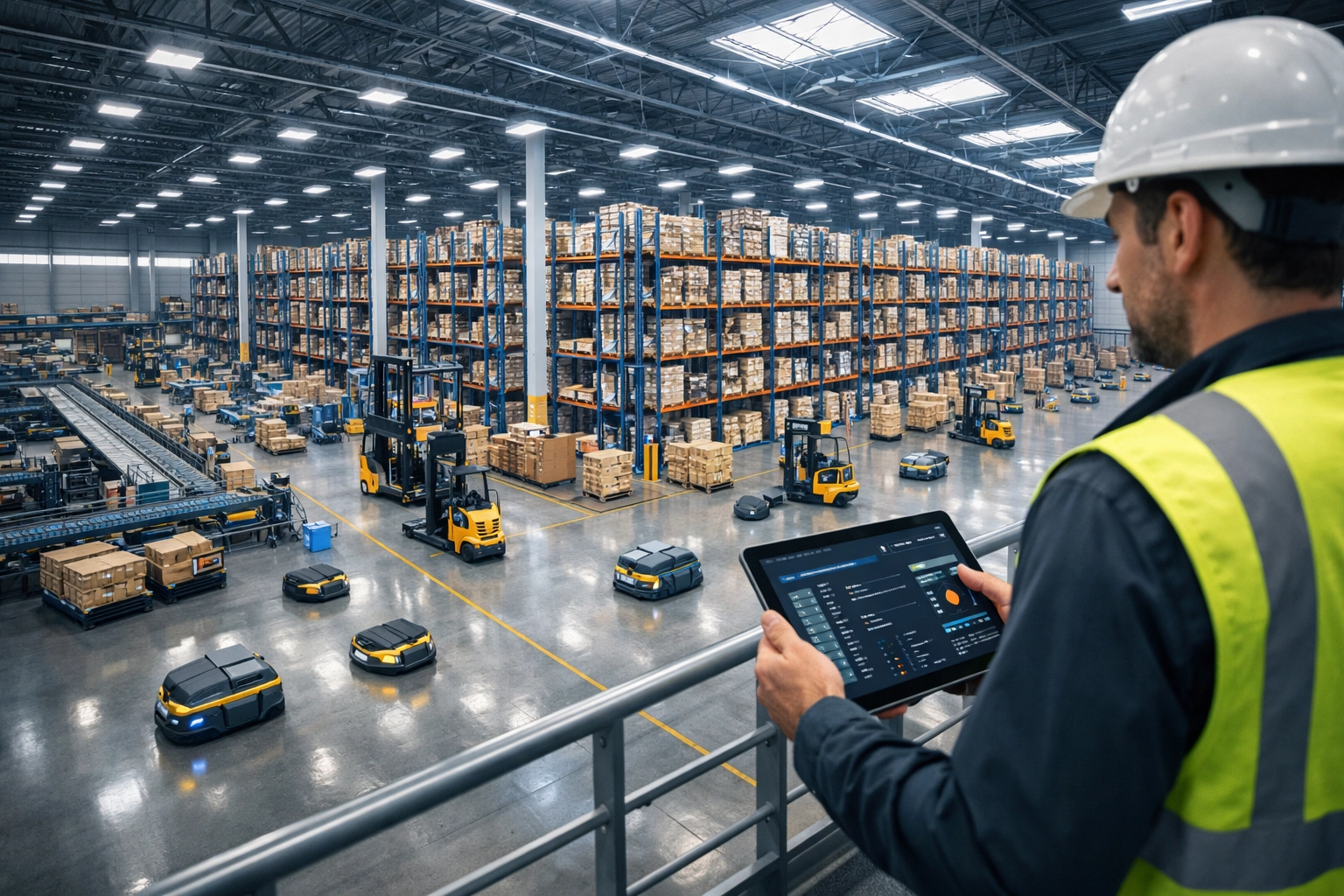
Regardless of the model, warehouse management services are the tactical heart of the supply chain. In an era where the trucking capacity crunch is a constant reality, your warehouse must operate with zero waste.
Precision in the warehouse means:
SKU Optimization: Reducing footprint while increasing accessibility.
Zero-Backlog Evenings: Ensuring every order placed today leaves today. Zero-backlog strategies are the only way to maintain customer trust during peak seasons.
Evening Safeguards: Implementing rigorous closing procedures to protect inventory integrity.
Bridging the Gap: How to Integrate 1PL Assets with 4PL Strategy
Many enterprises find themselves in a "hybrid" state. They own some assets (1PL) but need the strategic oversight of a 4PL. Successful supply chain management companies specialize in this specific integration.
Audit the Friction: Identify where manual hand-offs are failing.
Standardize the Morning: Start every day with a standard of excellence.
Deploy the Framework: Use a structured 1PL-4PL integration framework to align internal teams with external partners.
Why Proximity is the Cure for Chaos
In the modern economy, the last-mile surge has made geography a primary variable in logistics costs. By utilizing third party logistics providers with strategic locations, enterprises can eliminate the "chaos tax": the high cost of expedited shipping and long-haul inefficiencies.
Strategic placement of inventory allows for:
Reduced transit times.
Lower carbon footprints.
Better resilience against regional disruptions.
Execution-Focused Scaling
Scaling is not about doing more of the same; it is about doing things differently. Transitioning from a 1PL mindset to a 4PL strategy allows your leadership team to focus on product development and market expansion while the logistics engine runs on autopilot.
Operational excellence starts with the realization that logistics is a series of interconnected standards. From the morning stand-ups to the final dispatch, every second must be accounted for.
The Bottom Line
The path to scaling enterprise operations is paved with data-backed decisions and performance-driven partnerships. Whether you require the hands-on support of warehouse management services or the high-level orchestration of a 4PL, Lanta LLC is built to eliminate friction and drive growth.
Ready to optimize? Explore our operational excellence resources or learn more about integrating assets with strategy.
For more insights into high-performance logistics and supply chain strategy, follow us on LinkedIn: https://www.linkedin.com/company/lanta-llc/
Comments